
Are you building a career, or spending every day reacting to one?
There is a belief many professionals carry for years without questioning it.
The busier you are, the more valuable you must be.
A packed calendar feels important. Endless meetings feel productive. Fast responses feel professional. The constant movement creates the comforting illusion that meaningful work is happening.
For a while, it even feels true.
Then one day, usually after months or years of operating at full speed, a difficult realization arrives.
You have been working constantly.
But you have not been thinking.
And those are not the same thing.
At all.
In fact, some of the most successful people in the world built their careers by protecting the very thing most professionals sacrifice first.
Their attention.
Not because they had fewer responsibilities.
Because they understood something many people learn far too late.
A career is shaped less by the hours you spend working and more by the quality of the decisions you make while working.
And good decisions require space.
The Hidden Cost of Constant Activity
Most people are not overwhelmed because they have too much work.
They are overwhelmed because they never leave enough room to process it.
Messages arrive.
Meetings get scheduled.
Requests appear.
Deadlines move.
Someone needs an answer.
Someone wants feedback.
Someone needs help.
Before long, entire weeks disappear inside reaction mode.
The uncomfortable part is that reaction mode often receives praise.
People notice responsiveness.
They notice availability.
They notice speed.
What they rarely notice is the gradual erosion happening underneath.
Strategic thinking shrinks.
Creativity weakens.
Priorities become blurred.
The work feels heavier despite working harder.
Many professionals experience this without realizing what is happening.
They assume they need better productivity systems.
A better calendar.
A better app.
A better process.
What they actually need is uninterrupted time to think.
The Habit Few People Protect
When people study highly successful leaders, investors, founders, and executives, they often focus on visible achievements.
The books.
The businesses.
The investments.
The wealth.
What receives far less attention is how fiercely these individuals protect their schedules.
Not to work more.
To think more.
Warren Buffett has often spoken about the importance of having significant amounts of unscheduled time. Bill Gates became known for setting aside dedicated periods for reading, reflection, and learning.
Different industries.
Different careers.
Same pattern.
They understand that attention is a finite resource.
Once it gets fragmented enough, the quality of judgment begins to decline.
That matters because careers are rarely shaped by hundreds of perfect decisions.
They are shaped by a handful of important ones.
The role you accepted.
The opportunity you pursued.
The project you committed to.
The person you hired.
The risk you avoided.
The direction you chose.
Those decisions deserve more than five distracted minutes between meetings.
When Your Calendar Starts Lying to You
Many professionals reach a point where their calendars look full but their progress feels strangely empty.
Everything appears productive.
Yet the work that actually changes careers remains untouched.
The difficult conversation stays postponed.
The important project keeps getting delayed.
The strategic problem remains unsolved.
The decision sits untouched for weeks.
Activity creates comfort because it feels measurable.
Thinking feels uncomfortable because it exposes reality.
It forces difficult questions.
What am I avoiding?
What actually matters?
What am I doing simply because I have always done it?
What would happen if I stopped?
These questions rarely emerge while rushing between obligations.
They emerge when the noise fades.
And that is exactly why so many people avoid creating space for them.
The Career Advantage Nobody Talks About
Protected thinking time creates something surprisingly powerful.
Perspective.
Perspective helps you identify patterns others miss.
You begin noticing recurring problems.
You recognize unnecessary work.
You spot inefficient processes.
You understand where your energy is being wasted.
Most importantly, you become less reactive.
Career growth is often portrayed as doing more.
More skills.
More certifications.
More networking.
More responsibilities.
Yet some of the most significant career breakthroughs happen when people start removing things rather than adding them.
They stop attending meetings that provide little value.
They stop saying yes automatically.
They stop confusing urgency with importance.
They stop filling every empty space.
Clarity arrives when complexity leaves.
That truth is simple.
It is also surprisingly difficult to practice.
Thinking Is Not a Luxury
One of the biggest misconceptions in modern work culture is that thinking time belongs only to senior leaders.
It does not.
The engineer building systems needs it.
The recruiter evaluating talent needs it.
The manager leading teams needs it.
The founder making hiring decisions needs it.
The individual contributor planning their next career move needs it.
Everyone benefits from stepping back long enough to see the bigger picture.
Because the workplace rewards action.
But careers are built through judgment.
And judgment improves when attention has room to breathe.
This is not about escaping work.
It is about improving the quality of the work that matters most.
What Happens When You Protect Your Attention
Over time, something subtle begins to change.
Your priorities become clearer.
Your decisions become sharper.
Your communication improves.
Your confidence grows because it is rooted in understanding rather than urgency.
The pressure does not disappear.
The responsibilities do not shrink.
The workload may not even change.
But your relationship with all of it changes.
You stop feeling like work is happening to you.
You start directing where your energy goes.
That shift is difficult to measure.
Yet it is often the difference between a career that feels reactive and one that feels intentional.
The world will always find new ways to claim your attention. The real career advantage belongs to the people who learn how to protect it. Because the most valuable work you will ever do rarely happens when you are busy. It happens when you finally give yourself enough space to think.
Here’s a snapshot of what we’re all about:
- Need Talent? Let Us Help You Hire!
- Tailored Recruitment Solutions: Recruitment Solutions | RPO
- Candidate Jobs Portal: Explore high-value career opportunities.
- Customer Stories: Hear from our clients and candidates
- Join CareerTalks on WhatsApp: The Community for Career Enthusiasts!
- In-Depth Career Guidance: Career Enablement Program.
Related Blogs
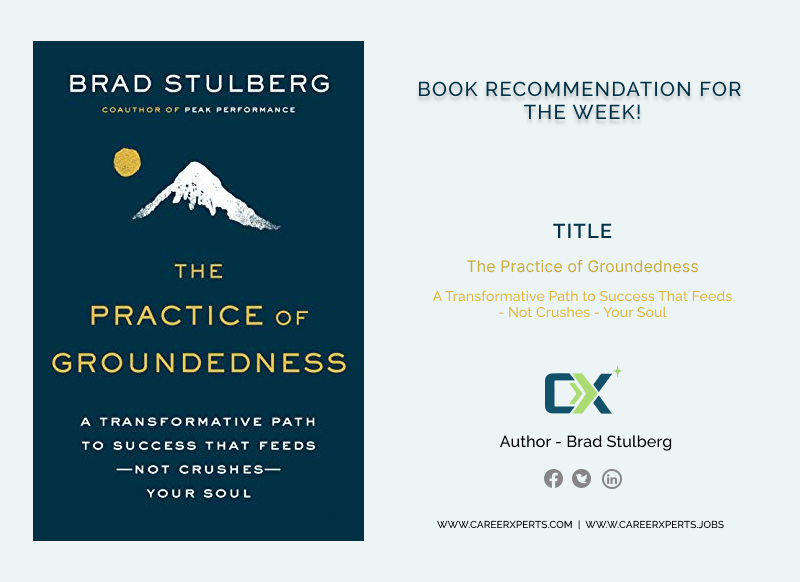
Non-Fiction – The Practice of Groundedness
by Prithvi N Shahdeoon 11 January, 2023Non-Fiction: The Practice of Groundedness: A Transformative Path to Success That Feeds-Not Crushes-Y...
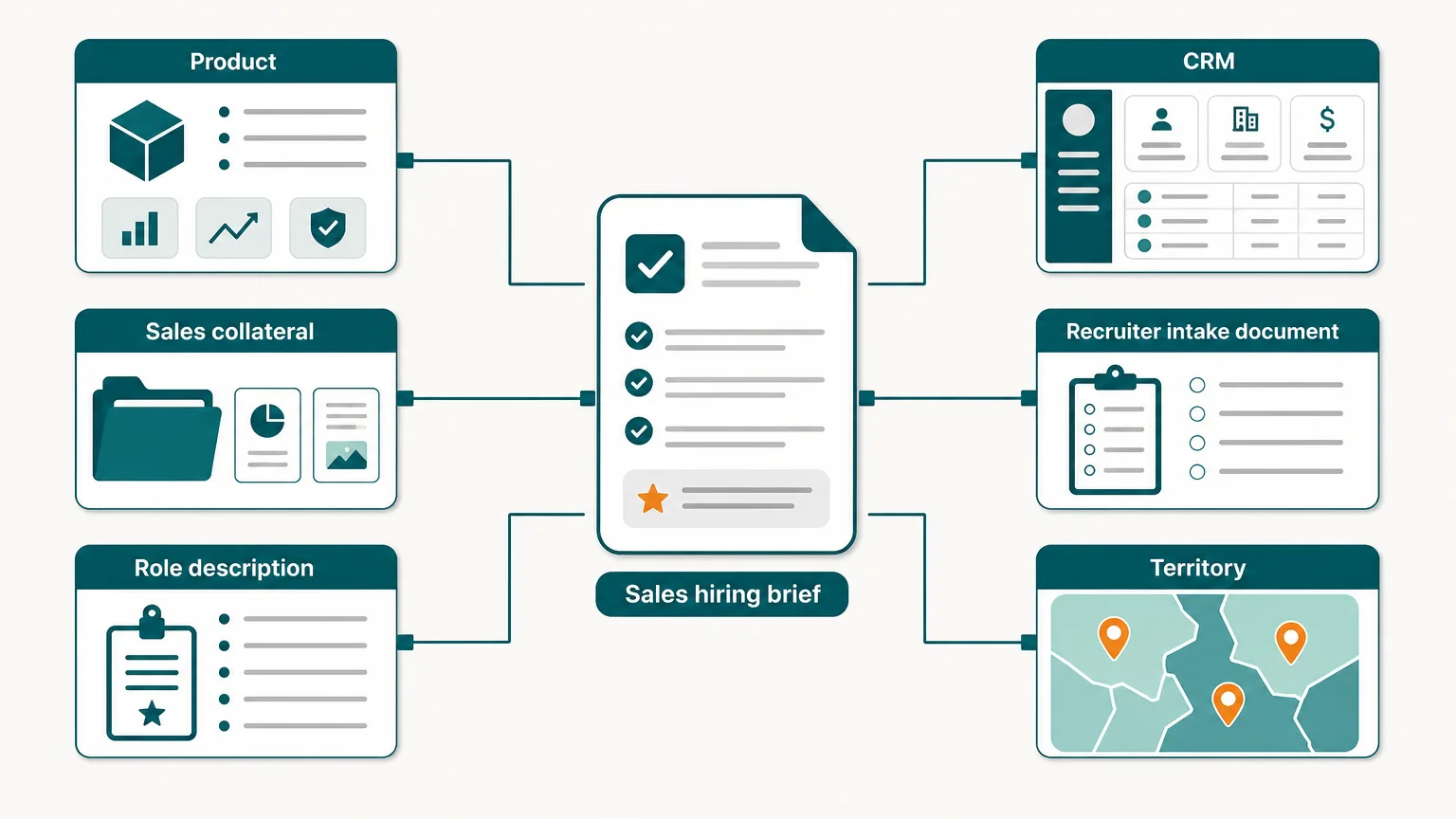
How to write a sales hiring brief that candidates can trust
by CareerXperts Teamon 17 September, 2026Hiring a sales executive becomes difficult when the role exists only as a title, a revenue target an...
How Can You Take Your Career To The Next Level?
by CareerXperts Teamon 20 August, 2024Your Career isn't a pre-programmed cruise liner – it's a rocket ship waiting for your fiery igniti...
Leave a Reply