For decades, industrial success was measured in steel tonnage, machine uptime, and capital investments. Bigger machines, faster assembly lines, taller plant capacities – these were the hallmarks of progress. Yet today, something subtle – but decisive – is changing the rules. The differentiator is no longer just machinery or technology. It’s the humans who operate, maintain, and lead them.
Industrial growth now hinges on capability, adaptability, and mindset. Machines can increase output, but they cannot ensure outcomes. They cannot navigate change, anticipate compliance hurdles, or maintain operational excellence when culture and governance falter. In practice, industries that overlook the human factor face delays, regulatory headaches, and reputational hits.
Consider these sobering figures:
- World Economic Forum (2023): 44% of core skills are expected to change in the next five years, with industrial roles among the most affected.
- ILO Estimate: Skills mismatch reduces global productivity by nearly 6% of GDP annually.
- India’s Case: Nearly 25 – 30% of large industrial projects are delayed, with workforce governance consistently cited as a leading cause.
The takeaway is clear: the challenge is no longer just about machines. Growth today depends on aligning skills, mindset, and governance with industrial ambition.
When Machines Stall: The Human Gaps Behind Industrial Challenges
Across sectors, the human element is the unseen brake slowing industrial progress. Investment in the latest technologies often hits invisible walls built from culture, training, and governance gaps.
- Steel & Metals: Automation adoption is slow because digital training is limited and job security fears linger.
- Chemicals & Pharma: Compliance lapses are more cultural than technical. Weak governance breeds regulatory risks.
- Construction & Infrastructure: Chronic project overruns are often due to weak accountability rather than machine failure.
- Energy & Utilities: The renewable energy shift stalls because trained professionals in sustainability and ESG are scarce.
- Mining: Traditional practices persist, leading to safety risks and productivity losses with real-world consequences.

The pattern is unmistakable. Machines alone cannot bridge these gaps. It’s the mindset, training, and cultural alignment of the workforce that determines whether technology delivers on its promise.
Learning From the Best: How Global Industries Do It Right
Industrial economies that thrive share a simple truth: people matter as much as machines.
- Germany: Dual training programs combine technical skill with governance and cultural orientation, raising productivity by 25%.
- Japan: Kaizen is not just a method; it’s embedded in culture, reducing operational errors by 40%.
- Middle East Energy Sector: Proactive reskilling during the transition to renewables prevented massive workforce redundancies.
- India (select infrastructure projects): Digital systems succeeded only when leaders were trained to guide teams through change.

Closing the Gap: Opportunities Industries Can’t Ignore
For India’s heavy industries, the opportunity lies in addressing technical and cultural gaps simultaneously:
- Digital Skills: IoT, automation, and analytics require a workforce ready to adapt, not just machines installed. Investing in workforce adaptability is no longer optional.
- Compliance Culture: Governance must shift from “tick-the-box” to ownership-driven accountability. Embedding accountability at every level ensures smoother operations and fewer penalties.
- Mentoring & Leadership: Senior professionals must actively transfer expertise to younger talent. Leadership pipelines reduce operational errors and improve decision-making speed.
- Cross-Functional Expertise: Engineers need to evolve into hybrid professionals who understand operations, compliance, and ESG. Future readiness demands versatile, cross-functional professionals.
- ESG & Sustainability: Building a pool of sustainability managers and ESG auditors is essential for global competitiveness. ESG is now a business mandate, not an option.

Beyond Machines: The Secret Weapon Industries Overlook
The real differentiator in industrial growth is not the latest technology – it is the people behind it. CareerXperts bridges the machine – mindset gap by:
- Providing future-ready professionals trained in digital, ESG, and compliance.
- Developing leaders who embed governance and adaptability into daily operations.
- Creating structured pipelines of mentors, auditors, and trainers to sustain excellence.
- Aligning workforce strategies with global benchmarks in compliance, ESG, and Industry 4.0.
We do not just supply talent – we reveal the hidden force that drives real transformation. Machines can be bought. Mindsets must be nurtured. For industries that embrace this truth, CareerXperts delivers not just professionals, but the change that moves industries forward.
Growth Isn’t Just Built, It’s Cultivated
Industrial progress has evolved. Bigger machines and faster systems are no longer the ultimate measures of success. True growth comes when mindset, culture, and skill meet technology head-on. Industries that master this alignment gain more than efficiency – they gain resilience, adaptability, and sustainable competitiveness.
Machines create potential. People deliver results. The future belongs to industries that invest as much in human capability as they do in mechanical capacity. Those willing to cultivate mindset alongside machinery won’t just survive – they’ll thrive.
Excellence in Action: Closing the Skills Gap
- Hiring? We’re here to Help!
- CareerXperts Workforce Solutions: CX Workforce
- On-Demand Talent: CareerXperts ODT
- Personalized Recruitment Solutions: Recruitment Solutions | RPO
- Customer Stories: Hear from our clients and candidates
Related Blogs
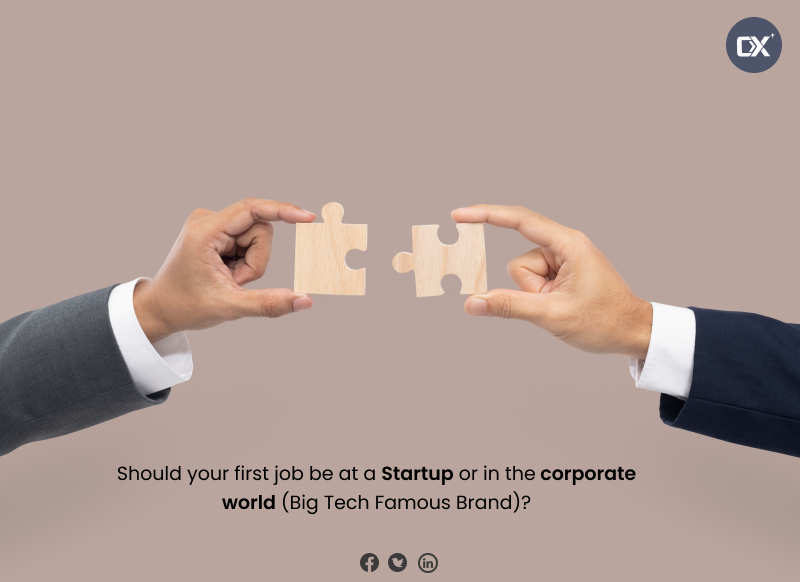
Should your first job be at a Startup or in the corporate world (Big Tech Famous Brand)?
by Prithvi N Shahdeoon 10 January, 2023When it comes to your first job, both a startup and a big corporation can provide valuable experienc...
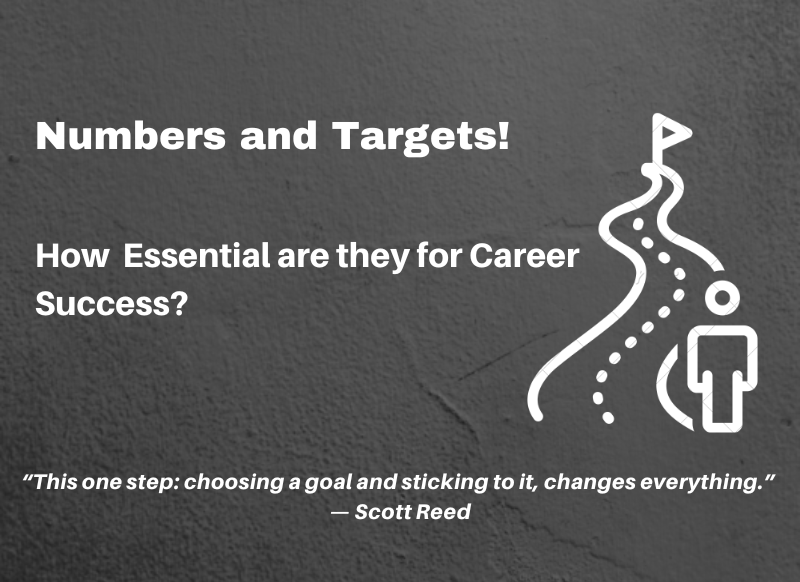
Do Numbers/Targets Scare You?
by CareerXperts Teamon 16 August, 2023In the realm of Work and Career, numbers often play a significant role...
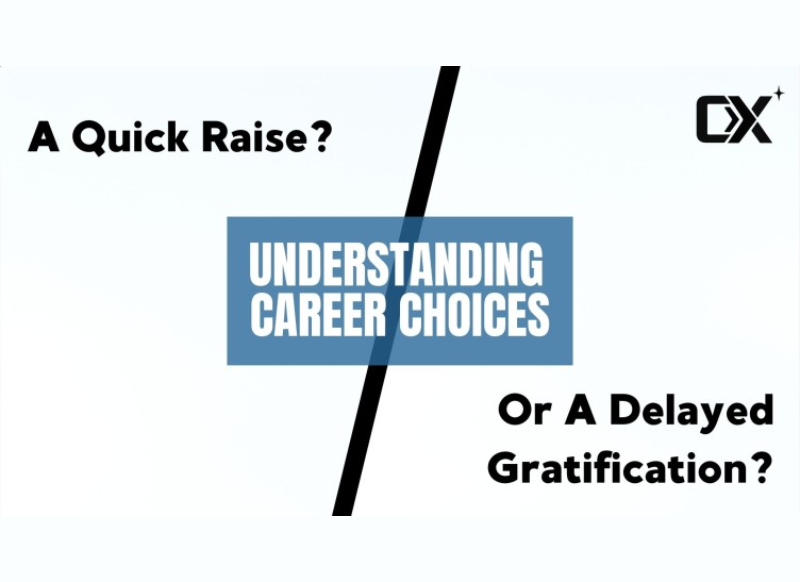
When Your Paycheck is So Big You Need a Bigger Suitcase Just for Your Stress
by CareerXperts Teamon 30 July, 2024While a high salary is certainly attractive, basing your career choices solely on compensation can b...
Jaison Christopher
Great!